Review Your Tasks
Start by creating a list of your current responsibilities. This overview helps you understand what requires your attention and time.
Learn practical approaches to organize your daily tasks and responsibilities through educational content and planning methods.
Explore ResourcesStart by creating a list of your current responsibilities. This overview helps you understand what requires your attention and time.
Organize tasks into categories based on type or context. This grouping can make your workload feel more manageable.
Review time requirements for each task. This helps you plan when to address different items.
Developing a personal organization method involves trying different approaches to see what fits your work style. Some people prefer digital tools, while others use paper-based systems.
The important part is finding an approach you can maintain consistently. Your system should help you stay organized without adding unnecessary complexity.
Spend a few minutes each day reviewing upcoming tasks. This brief planning session can help you approach your day with more clarity.
Consider setting aside specific periods for different types of work. This can help you maintain focus on one activity at a time.
Handle similar tasks together when possible. This approach can reduce the mental effort of switching between different types of work.
Take time to review what methods are working for you. Adjust your approach based on your experience and changing needs.
Unexpected tasks are a normal part of work. Consider setting specific times when you can focus without interruptions, and communicate these periods to colleagues when appropriate. Having a note-taking system can help you track where you left off.
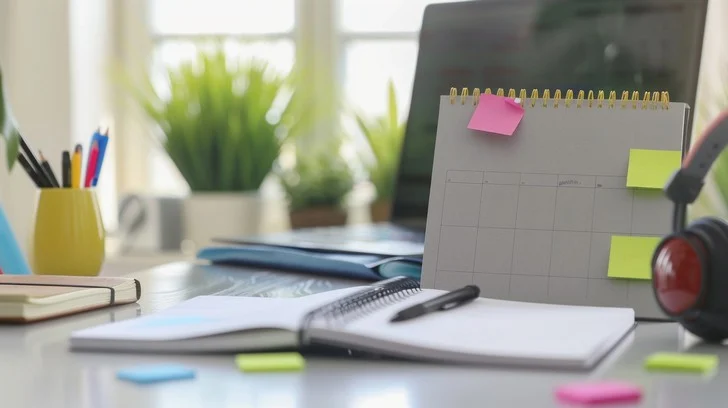
When you have several tasks with different timeframes, try breaking them into smaller steps. Visual planning tools like calendars can help you see all your commitments in one place.
Building new organizational habits takes time. Start with small changes rather than trying to reorganize everything at once. Keep track of what works to help you stay on course.
While planning is useful, being too rigid can create stress. Allow some flexibility in your schedule for unexpected situations. The goal is to support your work, not add pressure.
Different tools can support your organizational efforts. Choose what works best for your situation.
Software and apps that work across devices, offering features like reminders and task lists for organizing your work.
Traditional notebooks and planners that provide a physical way to track tasks and plans without digital devices.
Using both digital and paper methods together, choosing the most suitable tool for different types of tasks.
Learn about specific methods for organizing tasks and managing your time through our educational guides.